Introduction
In any kind of emergency circumstance, the ability to assess a casualty's responsiveness can indicate the difference between life and fatality. Understanding exactly how to do this crucial assessment is essential for any person associated with Basic Life Support (BLS) training. This post looks into The Significance of Examining Responsiveness: A BLS Essential, exploring its importance within the broader context of standard vs advanced life support practices, health center codes and methods, and much more.
Table of Contents
Understanding Responsiveness in BLS- What is Responsiveness? Why is it Important in Emergencies?
- Overview of Basic Life Support Transitioning to Advanced Life Support
- Step-by-Step Guide Common Errors to Avoid
- Signs of No Breathing What to Do Next
- Understanding AEDs When to Use an AED
- Benefits of BLS Training How to Get Certified
- The Importance of Teamwork Recommended Compression Rates
- Techniques for Staying Calm The Duty of Composure in Efficient Response
Understanding Responsiveness in BLS
What is Responsiveness?
Responsiveness describes a person's capability to react to stimulations, such as verbal commands or physical touch. In a clinical emergency, evaluating responsiveness assists figure out the seriousness and kind of treatment required.
Why is it Crucial in Emergencies?
Checking responsiveness enables -responders to swiftly assess a victim's problem, leading succeeding activities such as calling for assistance or executing mouth-to-mouth resuscitation. Essentially, it sets the stage for all additional interventions.
Basic vs Advanced Life Support
Overview of Basic Life Support
Basic Life Assistance (BLS) incorporates important methods targeted at maintaining life up until sophisticated medical aid shows up. It includes examining responsiveness, executing CPR, and making use of an Automated External Defibrillator (AED).
Transitioning to Advanced Life Support
Advanced Life Assistance (ALS) involves a lot more sophisticated clinical interventions that educated experts conduct, such as carrying out medications and progressed airway administration techniques.
How to Inspect Responsiveness
Step-by-Step Guide
Approach the individual calmly. Gently tap their shoulder and talk noisally but clearly. Observe their reaction; if there's no response, wage additional assessments.Common Errors to Avoid
https://rentry.co/u5vszk87- Failing to inspect breathing after evaluating responsiveness. Not asking for emergency situation solutions quickly if there is no response.
Identifying No Breathing
Signs of No Breathing
In some instances, an individual may be unresponsive yet still breathing improperly or otherwise in any way. Search for:
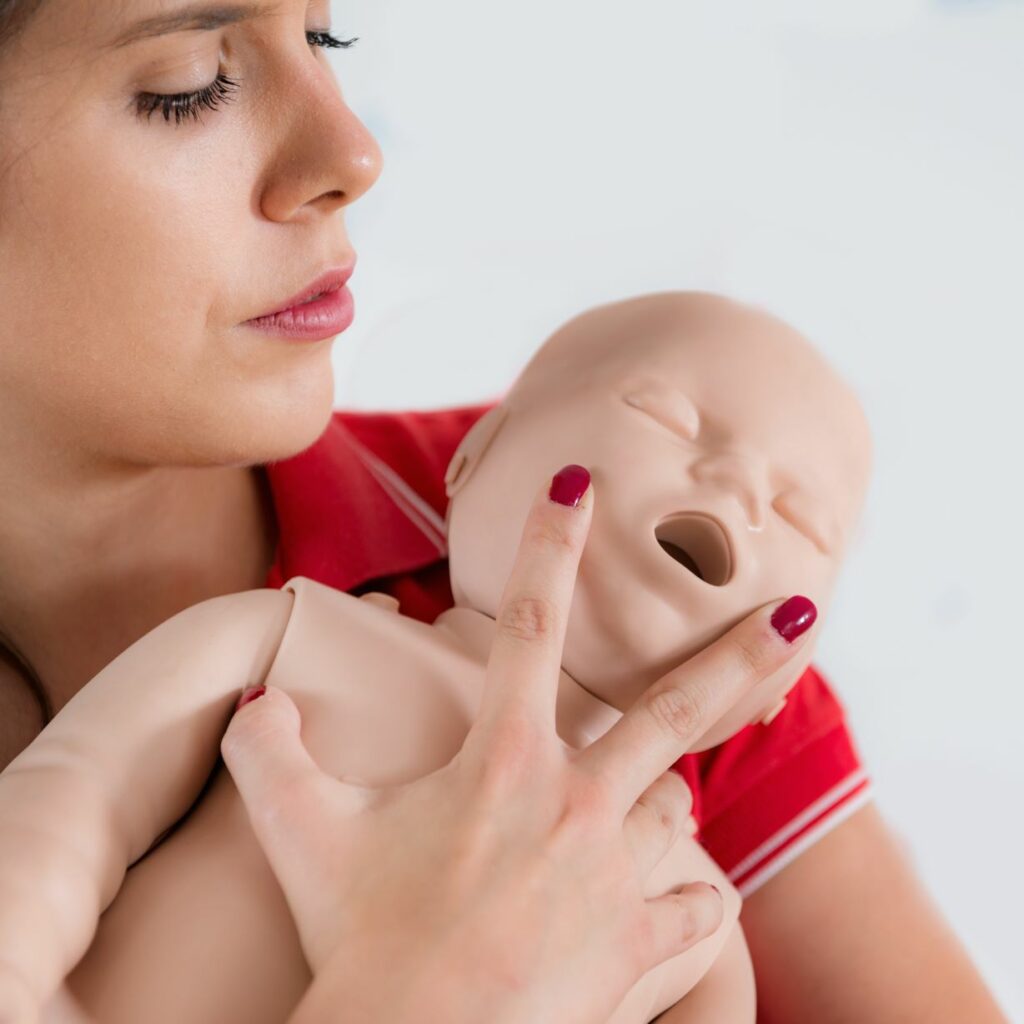
- Absence of upper body movement. No distinct breaths.
What to Do Next
If you determine no breathing:
Call emergency situation solutions immediately. Begin mouth-to-mouth resuscitation without delay.Public Defibrillator Usage
Understanding AEDs
An Automated External Defibrillator (AED) is a mobile device developed to examine heart rhythms and deliver an electrical shock when necessary.
When to Use an AED
Use an AED when:
- The person is less competent and not breathing. Medical experts are on their method yet instant action is required.
BLS Qualification Importance
Benefits of BLS Training
Obtaining BLS qualification gears up people with important skills needed throughout emergencies, improving their self-confidence in reacting effectively.
How to Obtain Certified
Certification courses are offered via different companies such as the American Heart Organization (AHA) or Red Cross-- select one that fits your schedule!
Taking Turns on Compressions
The Significance of Teamwork
When numerous responders exist, taking turns on compressions assists avoid tiredness and ensures premium upper body compressions throughout the resuscitation process.
Recommended Compression Rates
The optimal compression rate during mouth-to-mouth resuscitation is 100-120 compressions per minute; ensuring this consistency can dramatically enhance survival chances.
Maintaining Composure During Emergencies
Techniques for Remaining Calm
Staying calm throughout a situation is crucial-- not just for your very own efficiency yet additionally for those around you that might be looking for management during chaos.
Take deep breaths prior to coming close to the situation. Focus on tasks rather than feelings; this will aid you remain centered.The Role of Calmness in Reliable Response
Your demeanor can significantly influence exactly how others react-- maintaining calmness motivates synergy and infuses confidence among bystanders aiding with care.
Conclusion
In recap, comprehending just how and why we check responsiveness forms the foundation of reliable BLS training and treatments throughout emergencies. Whether you're navigating fundamental vs advanced life support circumstances or making use of public defibrillators properly, every 2nd matters when lives are at stake-- making understanding regarding these procedures invaluable.
FAQs
Q1: What ought to I do if a person is unresponsive?
A1: Examine their responsiveness by carefully touching them and shouting their name; if they are less competent, call emergency services immediately.
Q2: How does checking responsiveness vary from other assessments?


Q3: Is BLS qualification essential for everyone?
A3: While not compulsory for everybody, getting BLS qualification can encourage you with vital abilities that could save lives in emergencies.
Q4: Can I utilize an AED on somebody who shows indicators of breathing?
A4: No, only make use of an AED if the person is less competent and not breathing generally; ensure proper assessment first!
Q5: Exactly how frequently ought to I exercise my mouth-to-mouth resuscitation skills?
A5: It's suggested to freshen your CPR skills through normal training sessions at the very least every 2 years or faster if you feel unsure regarding your abilities.
Q6: Does maintaining composure actually impact emergency situation outcomes?
A6: Absolutely! Made up responders cpr first aid certification tend to act more efficiently which positively influences both team dynamics and individual outcomes.
By focusing on the value of examining responsiveness within Basic Life Support training frameworks, we welcome our obligation as potential lifesavers-- equipping ourselves with expertise that can change moments of situation right into opportunities for hope and recovery!